When selecting materials for drainage systems, the choice of pipe can significantly affect the project’s success. In the realm of plastic drainage pipes, two popular options are PVC (Polyvinyl Chloride) and other materials like HDPE (High-Density Polyethylene) and PP (Polypropylene). This comparative analysis can guide engineers and project managers in making informed decisions regarding material selection.
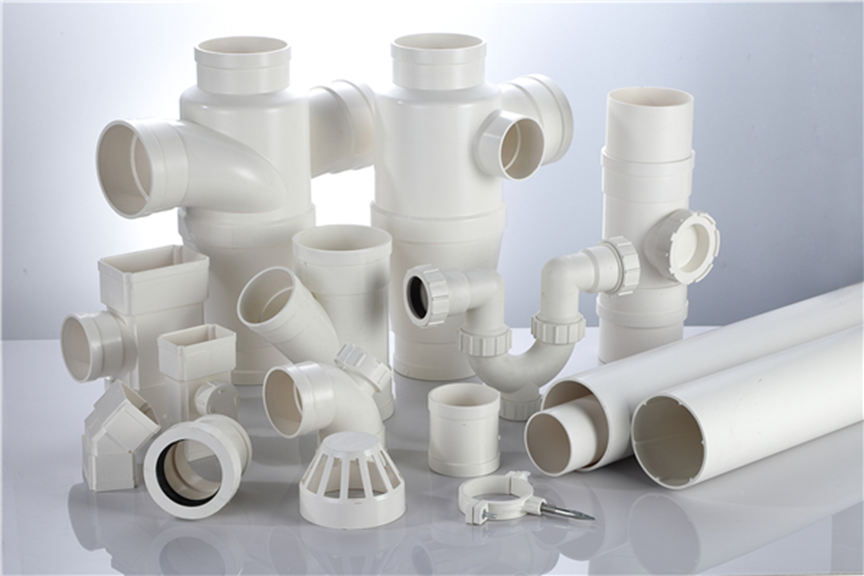
Durability of Plastic Drainage Pipe
Durability is a critical factor when evaluating a plastic drainage pipe. PVC pipes are known for their strength and resistance to corrosion, making them suitable for various drainage applications. They maintain structural integrity even under high pressure. On the other hand, HDPE pipes offer excellent flexibility and impact resistance, which can be advantageous in certain environments, especially where ground movement is a concern. PP pipes, while less commonly used in drainage applications, show good chemical resistance but may not be as durable as PVC or HDPE.
Installation Ease and Cost
Installation ease is another important consideration when choosing a plastic drainage pipe. PVC pipes are lightweight and easy to handle, simplifying the installation process. They can be quickly united with solvent cement, reducing labor time. HDPE pipes require specialized fusion welding equipment for connections, which can increase installation costs. While HDPE may offer better flexibility, the additional installation complexity may not always justify the expense. In terms of cost, PVC generally falls in the mid-range, while HDPE tends to be more expensive due to its manufacturing processes.
Performance in Various Environmental Conditions
The performance of a plastic drainage pipe is influenced by the environment in which it is installed. PVC pipes perform well in a wide range of temperatures and are resistant to UV rays, making them suitable for outdoor installations. HDPE excels in applications where flexibility is required, such as in areas with frost or ground shifts. Meanwhile, PP pipes are utilized in environments exposed to aggressive chemicals but may not perform as effectively in standard drainage applications compared to PVC or HDPE.
Conclusion
In conclusion, understanding the comparative aspects of plastic drainage pipe materials like PVC, HDPE, and PP is essential for making informed decisions. Each material has its own advantages and disadvantages regarding durability, installation ease, cost, and performance. By considering these factors, professionals can select the most suitable option for their drainage projects. LESSO CAMBODIA provides high-quality PVC and other plastic drainage pipes, allowing customers to choose reliable solutions for their specific needs.