Feeding your cat the right food is essential to its overall health and happiness. Unlike dogs, cats are obligate carnivores, which means they require animal-based proteins in their diet to thrive. This makes choosing the correct cat food crucial for their development, energy levels, and long-term wellness. With the wide range of products available in pet stores 貓 濕糧推薦online, it can be overwhelming to determine which food is best for your furry companion.
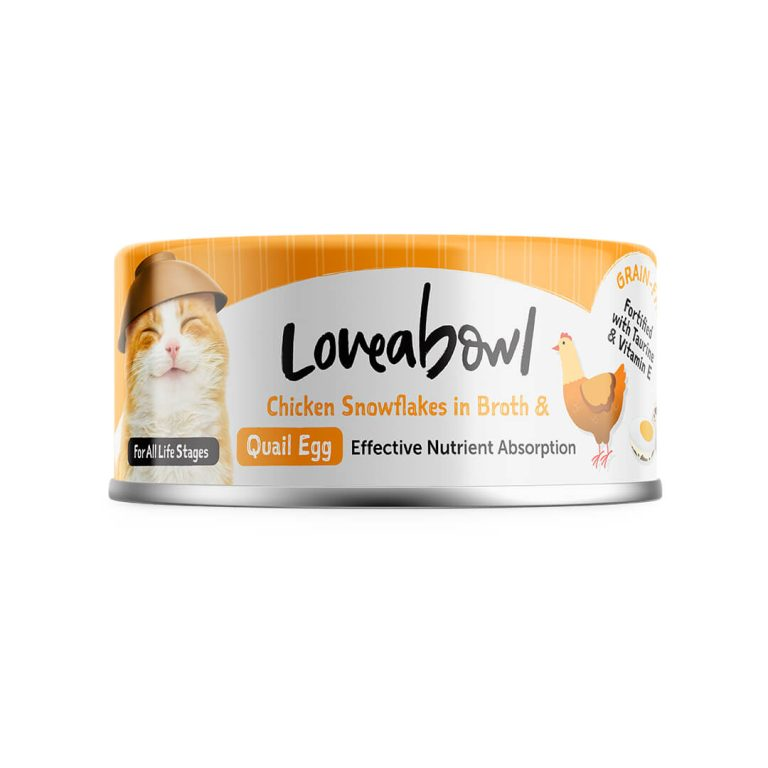
Cat food typically comes in three main types: dry, wet, and raw or homemade. Dry cat food, also known as kibble, is convenient, cost-effective, and has a long shelf life. Wet food, usually canned, contains higher moisture content, which can benefit cats who don’t drink enough water. Raw or homemade diets are becoming increasingly popular among pet owners who want more control over their cat’s ingredients, but these require careful planning and often the consultation of a vet or pet nutritionist to ensure they meet all the cat’s dietary needs.
Protein is the most important nutrient in cat food, as it provides essential amino acids like taurine, which cats cannot produce on their own. Taurine deficiency can lead to serious health problems, including heart disease and vision issues. In addition to protein, cats also need fats for energy and a healthy coat, as well as certain vitamins and minerals like vitamin A, niacin, and calcium. Unlike humans, cats cannot thrive on a vegetarian or vegan diet because they lack the biological mechanisms to convert plant-based nutrients into the forms their bodies need.
When choosing a commercial cat food, it is important to read the label carefully. Look for foods that list a specific type of meat—such as chicken, beef, or salmon—as the first ingredient. Avoid products that contain fillers like corn, soy, or wheat as the primary components, as these offer little nutritional value. Foods labeled “complete and balanced” have met the standards established by the Association of American Feed Control Officials (AAFCO), which is a good indicator that the food provides the essential nutrients a cat needs.
Every cat is different, and their dietary needs may vary based on age, weight, health condition, and lifestyle. Kittens need more calories and nutrients to support growth, while senior cats may benefit from diets that support joint health and maintain a healthy weight. Some cats have food allergies or sensitivities that require hypoallergenic or limited-ingredient diets. Consulting your veterinarian is the best way to ensure your cat’s specific nutritional requirements are being met through their cat food.