Diamonds have captured human imagination for centuries with their unmatched brilliance, enduring strength, and symbolic significance. Often associated with wealth, power, and eternal love, diamonds are far more than just beautiful gemstones. Their journey from deep within the Earth’s mantle to a sparkling centerpiece on a piece of jewelry is a remarkable story of natural processes, human craftsmanship, and cultural evolution. This article delves into the lab diamond , properties, uses, and cultural significance of diamonds.
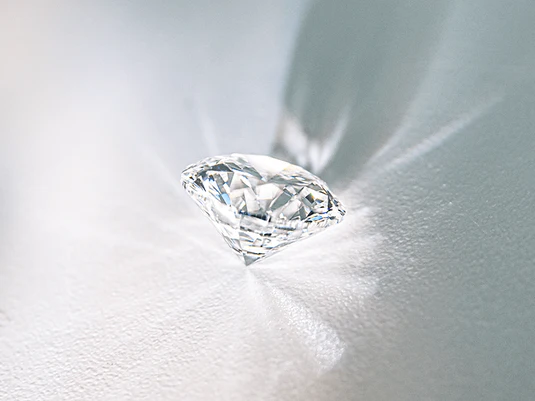
Formed under extreme pressure and temperature, diamonds originate deep beneath the Earth’s surface—about 90 to 120 miles down in the mantle. They are made entirely of carbon atoms arranged in a crystal lattice structure, which gives diamonds their exceptional hardness. It takes billions of years for diamonds to form, and volcanic activity eventually brings them closer to the surface through kimberlite pipes. These rare geological formations are where most of the world’s natural diamonds are mined today.
One of the most unique properties of diamonds is their hardness. Ranking 10 on the Mohs scale, they are the hardest known natural material on earth. This makes diamonds not only valuable in jewelry but also highly functional in industrial applications. Diamond-tipped drill bits, cutting tools, and polishing materials are widely used in manufacturing and construction due to the gem’s ability to cut through almost anything. In recent years, synthetic diamonds created in laboratories have become increasingly important for industrial use, as they offer a cost-effective and sustainable alternative to natural stones.
The beauty and rarity of diamonds have made them symbols of love and commitment, most notably in engagement rings. This tradition gained popularity in the 20th century, largely due to successful marketing campaigns by diamond companies like De Beers, which coined the famous slogan “A diamond is forever. ” This messaging tied the durability of diamonds to the concept of eternal love, making diamond engagement rings a near-universal tradition. Beyond romantic symbolism, diamonds have also been treasured as royal heirlooms, investment assets, and status symbols across different cultures and eras.
However, the diamond industry has not been without controversy. “Conflict diamonds” or “blood diamonds” gained global attention in the late 1990s and early 2000s. These are diamonds mined in war zones and sold to finance armed conflict against governments. The international community responded with the establishment of the Kimberley Process Certification Scheme, aimed at preventing the trade of conflict diamonds and promoting ethical sourcing. As a result, many modern jewelers now emphasize responsibly sourced diamonds, including recycled gems and lab-grown alternatives, to meet the growing demand for ethical luxury.
In conclusion, diamonds are far more than just sparkling ornaments. They are natural marvels with complex origins, versatile applications, and rich cultural significance. As technology advances and consumers become more conscious of ethical sourcing, the diamond industry continues to evolve. Whether as a scientific tool, a romantic gesture, or a symbol of human achievement, the diamond remains one of the most fascinating and enduring treasures on earth.